
Development Partnerships
Solvatten collaborates with organizations, NGOs, and humanitarian actors to improve access to safe water, hygiene, and sustainable energy in areas where infrastructure is limited or entirely absent. Read moreDevelopment Partnerships That Reach All the Way Home
Solvatten helps organizations, humanitarian actors, and local partners make safe and warm water available directly in households and businesses – entirely without electricity, fuel, or added chemicals. From pilot projects to larger programs, we combine the technology with local training, implementation, and follow-up.




How Solvatten Is Used in Projects
Solvatten is used in several types of projects depending on local needs, target groups, and context. Here are some of the areas where the solution is currently used with organizations and partners.
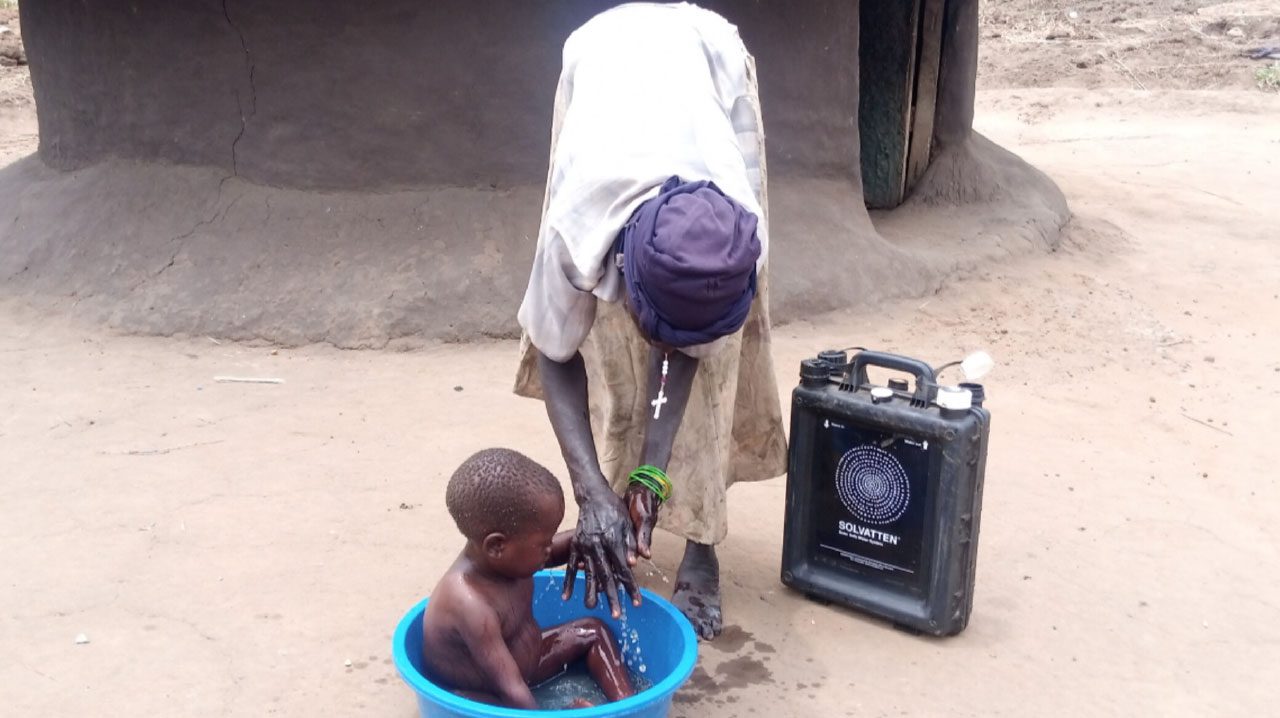
Water & Hygiene
Clean and warm water directly in the household with the help of the sun
Solvatten is used in areas where people lack access to safe water and traditional infrastructure. Through local training and follow-up, households can produce safe and warm water at home themselves.

Health
Reduced exposure to dirty water and smoke from open fires
Solvatten is used in health programs where access to clean and warm water is important for hygiene, daily life, and preventive health.
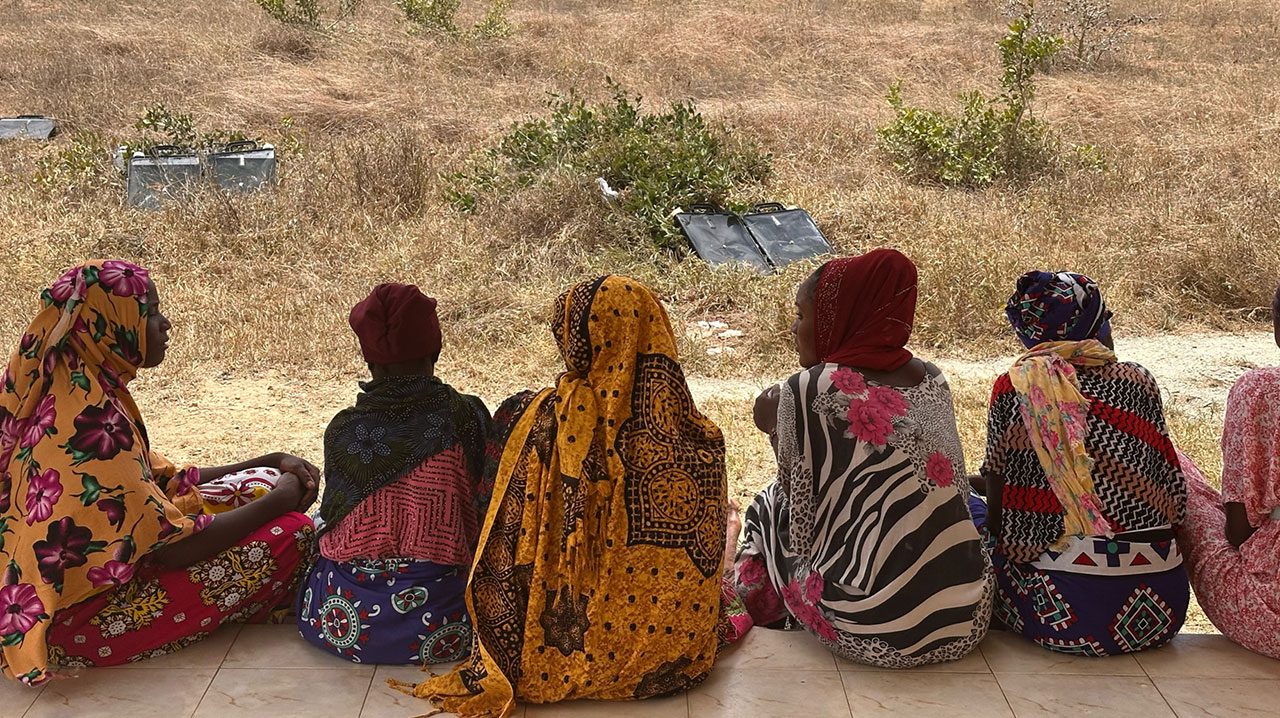
Gender Equality
When women and girls regain time, everyday life changes
By reducing the need for firewood collection and water boiling, time is freed up for education, work, and participation in the local community.
Climate & Energy
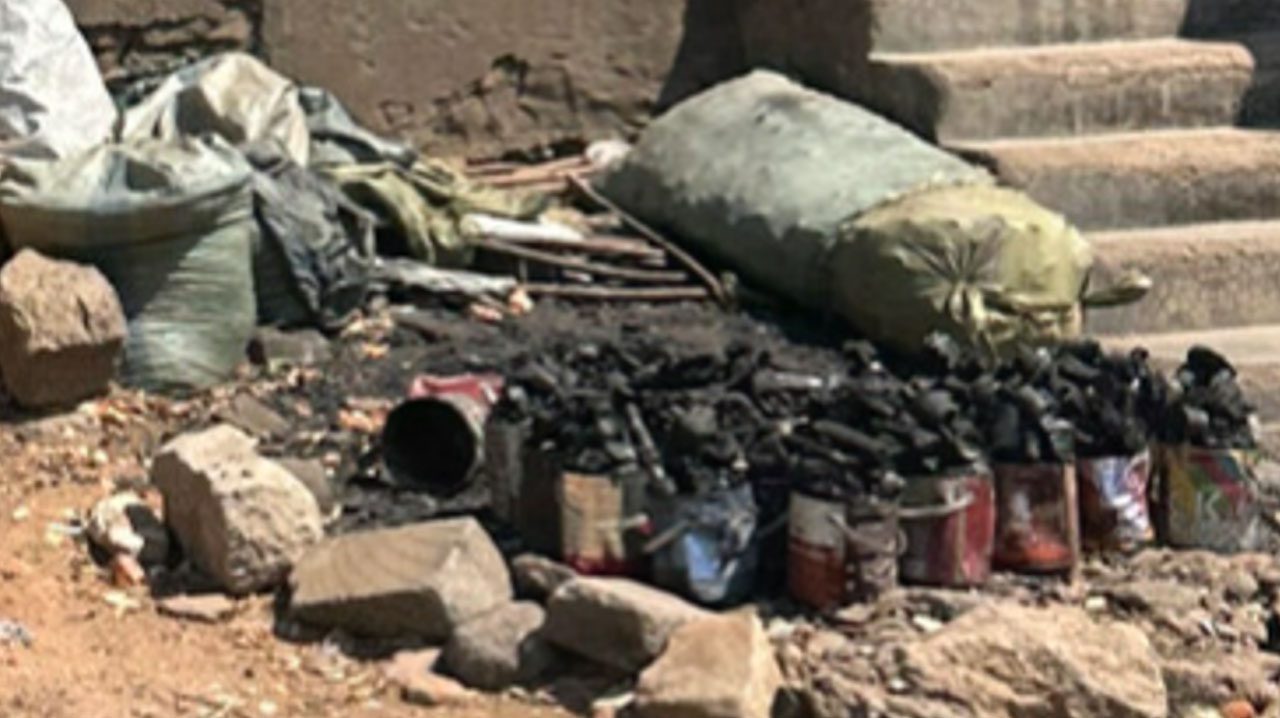
Reduced firewood use and lower emissions at the household level
Solvatten replaces traditional fuels with solar energy and is used in projects related to climate, resilience, and sustainable energy.

Humanitarian Aid
A portable off-grid solution for critical interventions
Solvatten is used in refugee camps, disaster areas, and other situations where access to water and energy quickly needs to be restored.
Explore
Do you have a different setup or your own project idea?
All projects are unique. Solvatten is used in many types of interventions and can be integrated into both existing programs and new initiatives.

Ensuring that people in a vulnerable situation have access to clean water is absolutely critical to the type of work we do. If it isn't available, nothing else works.
Dr. Adan Galoro
PLAN International – health facility, Kenya
Users consistently report that their expenses for fuel, such as charcoal for boiling drinking water, have decreased.
Simon Odonge, UNHCR Uganda
The entire small community reports improved health, with fewer cases of illness. The water also tastes better because it is no longer affected by smoke from traditional boiling methods.
Jesper Fridolf
Red Cross, Mozambique
How a Collaboration Works
Solvatten works through partnerships with organizations responsible for implementation and local integration. Projects combine technology, training, and follow-up to create long-term use.
1. Pilot & Introduction
Many collaborations begin with a smaller pilot project where Solvatten is tested in real-world use with households, schools, clinics, or local groups.
The pilot makes it possible to evaluate usage, training needs, and practical conditions before the project is potentially scaled up.
2. Training
Solvatten is often combined with training on hygiene, water use, and daily use of the solution.
Training usually takes place with local project teams, community workers, or through training-of-trainers models to create long-term use and local integration.
3. Test Period
During the test period, Solvatten is used in the local context where the project is implemented. This can involve households, schools, health clinics, or humanitarian interventions.
The period is used to gather experience, identify needs, and understand how the solution works in practice over time.
4. Follow-up & Support
Solvatten works with the partner organization to follow up on usage, gather feedback, and support project teams during implementation.
The follow-up helps identify opportunities, challenges, and needs for further support or training.
5. Evaluation
After implementation, a joint evaluation of the project is conducted based on goals, usage, and experiences from the field.
This provides a basis for decisions regarding continued implementation, funding, or further development of the project.
6. Next Steps
After the pilot and evaluation, the collaboration can be further developed through larger implementation, new geographical areas, or joint funding solutions.
Projects can be carried out through direct procurement, partially funded initiatives, or joint applications depending on the project’s structure and goals.
For which organizations and programs is Solvatten suitable?
Solvatten is suitable for organizations, authorities, UN agencies, and humanitarian actors working in areas where access to safe and warm water, energy, or functioning infrastructure is limited. The solution can be used in programs within WASH, health, maternal and child health, gender equality, climate, resilience, and humanitarian aid.
Solvatten can be used by households, but also at clinics, schools, and other local facilities.
What local conditions are required to use Solvatten?
Access to strong sunlight is naturally required, as well as a suitable water source that is not salt water, does not have excessively high fluoride or arsenic levels, and is not too turbid. You need to be in contact with or be a local organization or partner that can take responsibility for introduction, training, and follow-up. The quality of the water source and the needs of the users are assessed before each project and should be evaluated with local community representatives.
How can Solvatten be integrated into an existing development program?
Yes. Solvatten can be introduced as part of an existing program within, for example, WASH, health, climate, resilience, or humanitarian aid. The collaboration can begin with a smaller pilot where usage, training needs, and local conditions are evaluated before the project is scaled up.
Together, we define the target group, responsibilities, training, follow-up, and relevant outcome indicators.
How large can a Solvatten project be and what does it cost?
A collaboration can range from a small pilot project to deliveries for larger regional or national programs. The cost depends on factors such as the number of units, destination, transport, local fees, training, and the type of follow-up required.
A 40-foot container holds approximately 1,800 Solvatten units. Contact us for a project-specific quote and preliminary budget.
How are the results of a Solvatten project measured and followed up?
Results are monitored based on the project’s goals and local conditions. This can include the number of users, usage rate, the amount of safe and warm water produced, reduced fuel use, and changes in hygiene, health, and daily life.
Follow-up can be carried out through user interviews, field visits, surveys, photos, and reporting from local partners. The methodology and indicators are determined together before the project starts.