
The Water’s Journey
Read more
The Journey to the Water Source
In large parts of Sub-Saharan Africa, water is not available at home.
It is fetched from a well, borehole, pump, or another communal water point.
For many households, this means a daily walk. The water is then carried home in jerrycans, often 20 liters at a time. In rural areas, the distance to water is often even longer.
Jerrycans are used, but the inside of a typical jerrycan is difficult to keep clean. It is also usually women and girls who fetch the water.
Risks in the Water
At the water source, jerrycans, buckets, and other containers are filled with water.
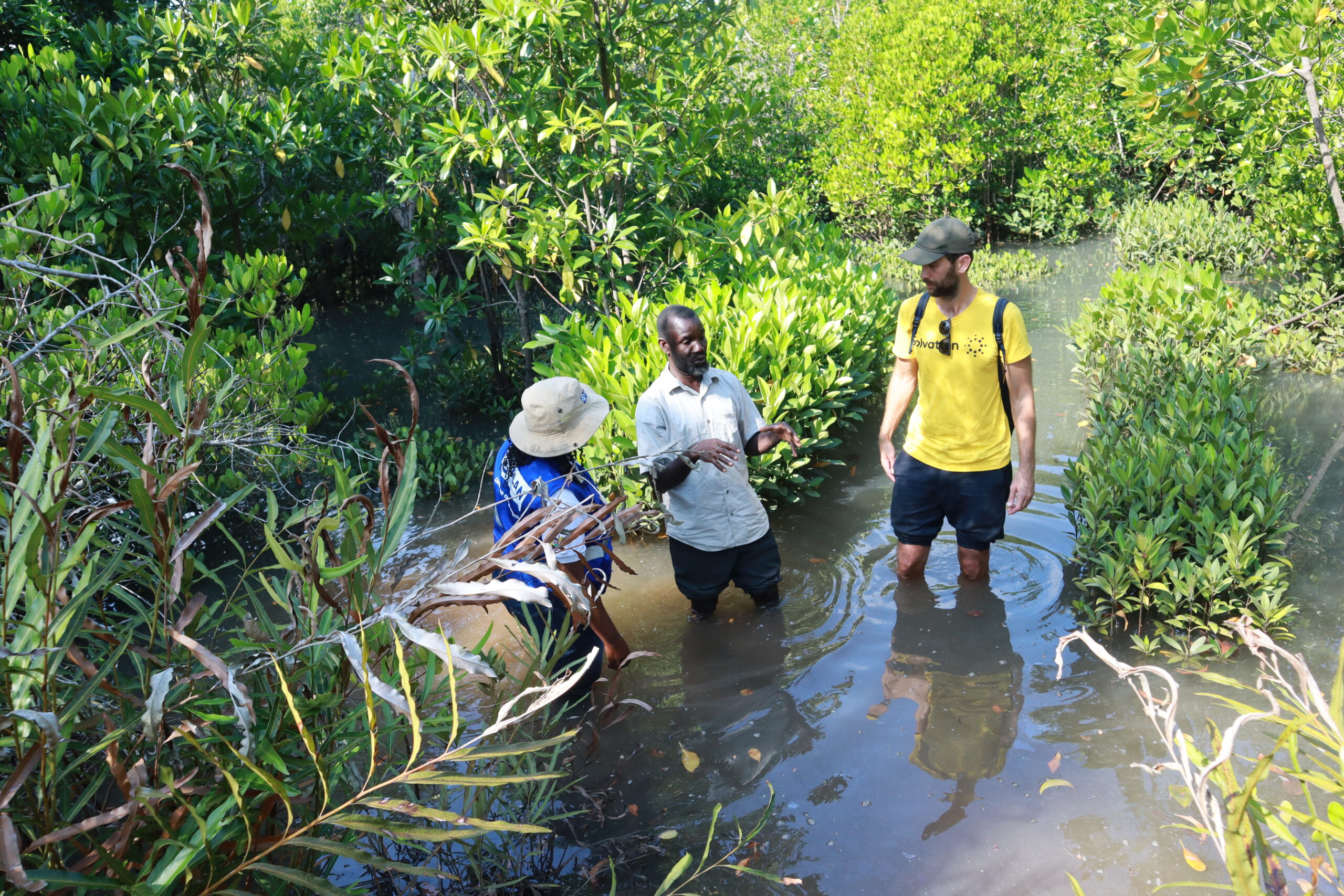
Sometimes the water is clean when it is collected. Most often, it is already contaminated.
And even when the water source is said to be completely safe, new risks can arise from dirty hands, containers, and handling.
Globally, over 100 million people still get their drinking water directly from shallow hand-dug wells and surface water sources.
A Heavy and Long Journey Home
Once the containers are filled, the heavy part of the journey home begins. A 20-liter jerrycan weighs about 20 kilograms. The water is often carried by hand, on the head, or on the back.
Research shows that repeated carrying of heavy water containers can contribute to chronic pain, reduced mobility, and increased wear and tear on the body’s muscles, joints, and spine.
For women and girls, this can mean a physical burden that is repeated day after day, year after year.
The path can also be dangerous. Assaults and sexual violence occur both in peacetime and in conflict zones.
Water is Home, but Risks Remain
During transport, the water has often become warm, and if it contains microbiological contaminants, that warmth creates favorable conditions for growth.
This water is most often poured into smaller jerrycans, buckets, and other containers. It is stored for hours or days. Water is scooped out of the containers with mugs, hands, and utensils.
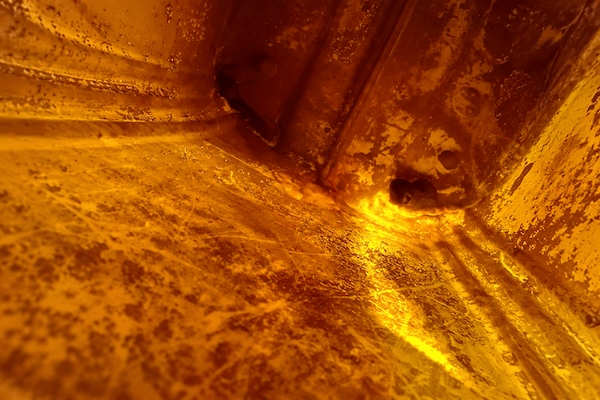
It is particularly difficult to keep the yellow jerrycans clean. The opening is small, the inside is dark and damp, and the bottom is often hard to reach properly with a hand or brush. Research shows that water quality very often deteriorates between the water source and the water stored in the household. In a study in eastern Uganda, 86% of water samples that were initially clean contained E. coli after 24 hours of storage in jerrycans. Water Research X, 2021.
The image is from inside a yellow jerrycan.

Go for Firewood
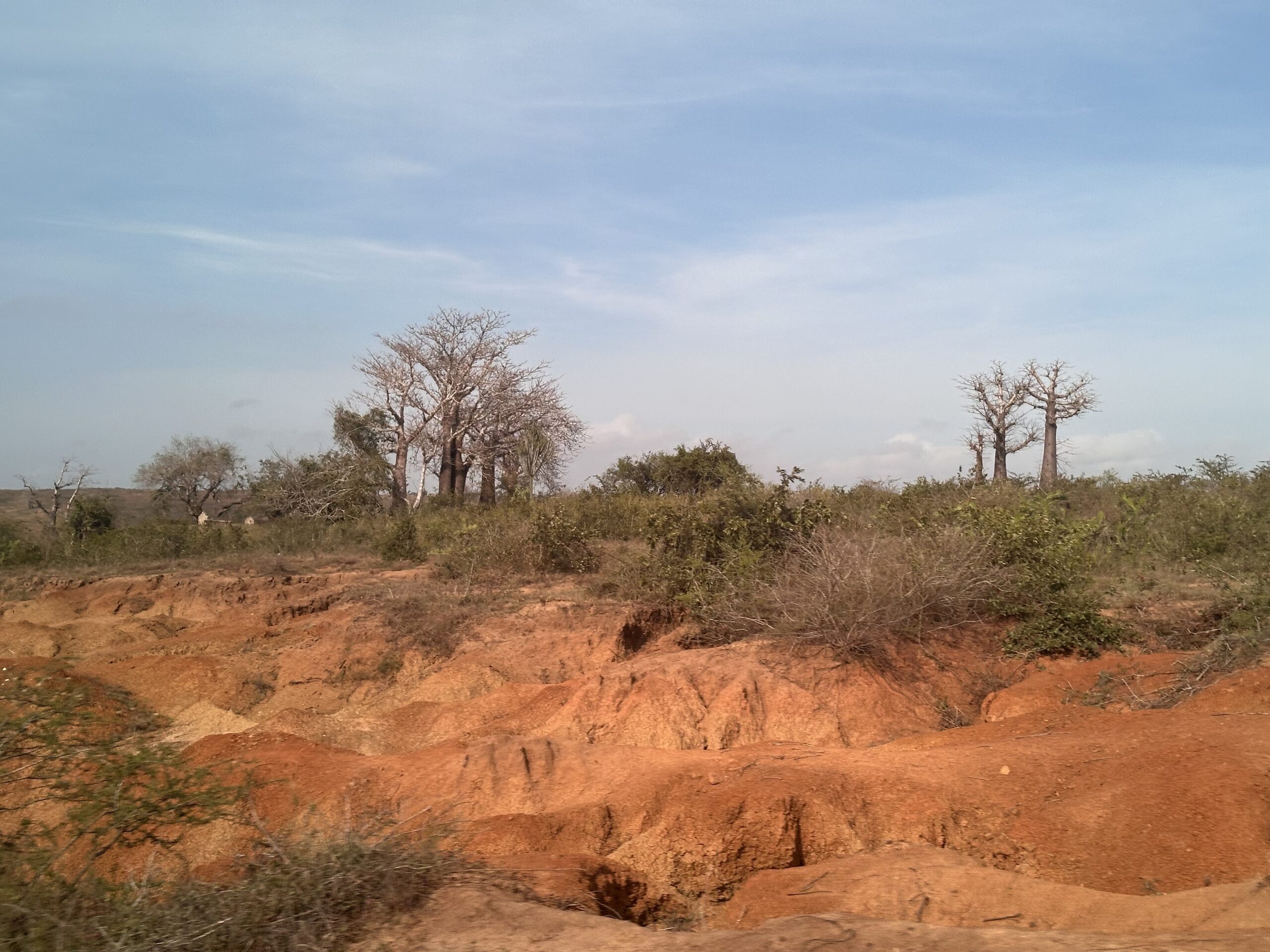
Once the water has been carried home, the next task remains: to arrange fuel.
If firewood is available, it must first be chopped, gathered, bundled, and carried home.
Charcoal must be bought and transported home from the market or point of sale.
This costs time, effort, and money.
In many households, women and children are responsible for a large part of this work.
When fuel is collected, it can also involve long and dangerous distances on foot and heavy burdens on the way back.
Before the water can even be heated, another resource must first be brought home.
Keep the Fire Alive
Once the fuel is home, the actual heating remains.
Firewood and charcoal are often burned in simple stoves or over open fires. The smoke contains small particles and other air pollutants that can damage lungs and heart. WHO links air pollution from cooking and home heating to millions of premature deaths each year.
Open fires also pose a risk of burns and accidents, especially for women and children who often stay near the fire.
Boiling or heating water therefore involves smoke, risks, and additional time by the fire.
In many cases, aluminum pots without lids are also used, leading to significant heat loss.


Save the Water
Once the water has been boiled or heated, it needs to be saved and stored. It can be poured into a thermos, jerrycan, bucket, or pitcher and then taken out with a cup or scoop. But here a new risk arises: recontamination.
Water that has become clean can quickly become contaminated again through dirty hands, containers, lids, or other utensils.
The water can therefore be clean immediately after boiling – but still not be clean when it reaches the glass.
The Sun Shortens the Water’s Journey
While waiting for water and energy infrastructure to be expanded, solutions exist that can be used directly in the home.
With Solvatten, households can treat and heat water using the sun.
One does not always need to fetch water from the safest source, which is sometimes further away. With Solvatten, several steps after water collection can be shortened, removed, or simplified.
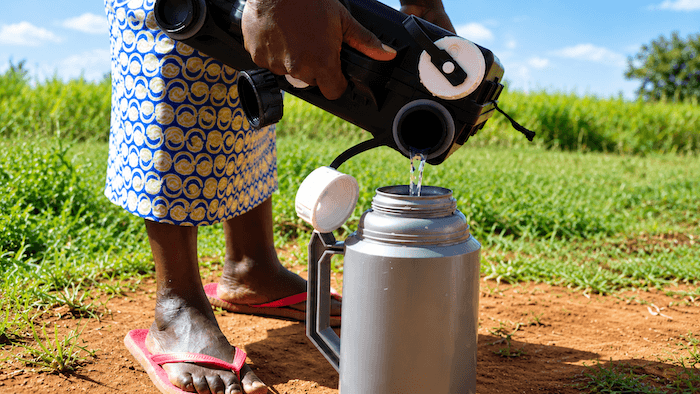
Solvatten treats, heats, and stores water in the same container.
Less firewood or charcoal needs to be collected or purchased.
The fire does not need to be lit to heat the water.
No chemicals need to be added.
And because the water can be stored in Solvatten until use, the need to pour it between different containers is reduced – and thereby also the risk of recontamination.
All collected in a Solvatten kit – with fewer steps from water source to safe, warm water in the home.
The water’s journey doesn’t have to be so long.
Skänk en gåva!